Building a more sustainable laboratory: a conversation with Dr Bibian Okokhere-Edeghoghon
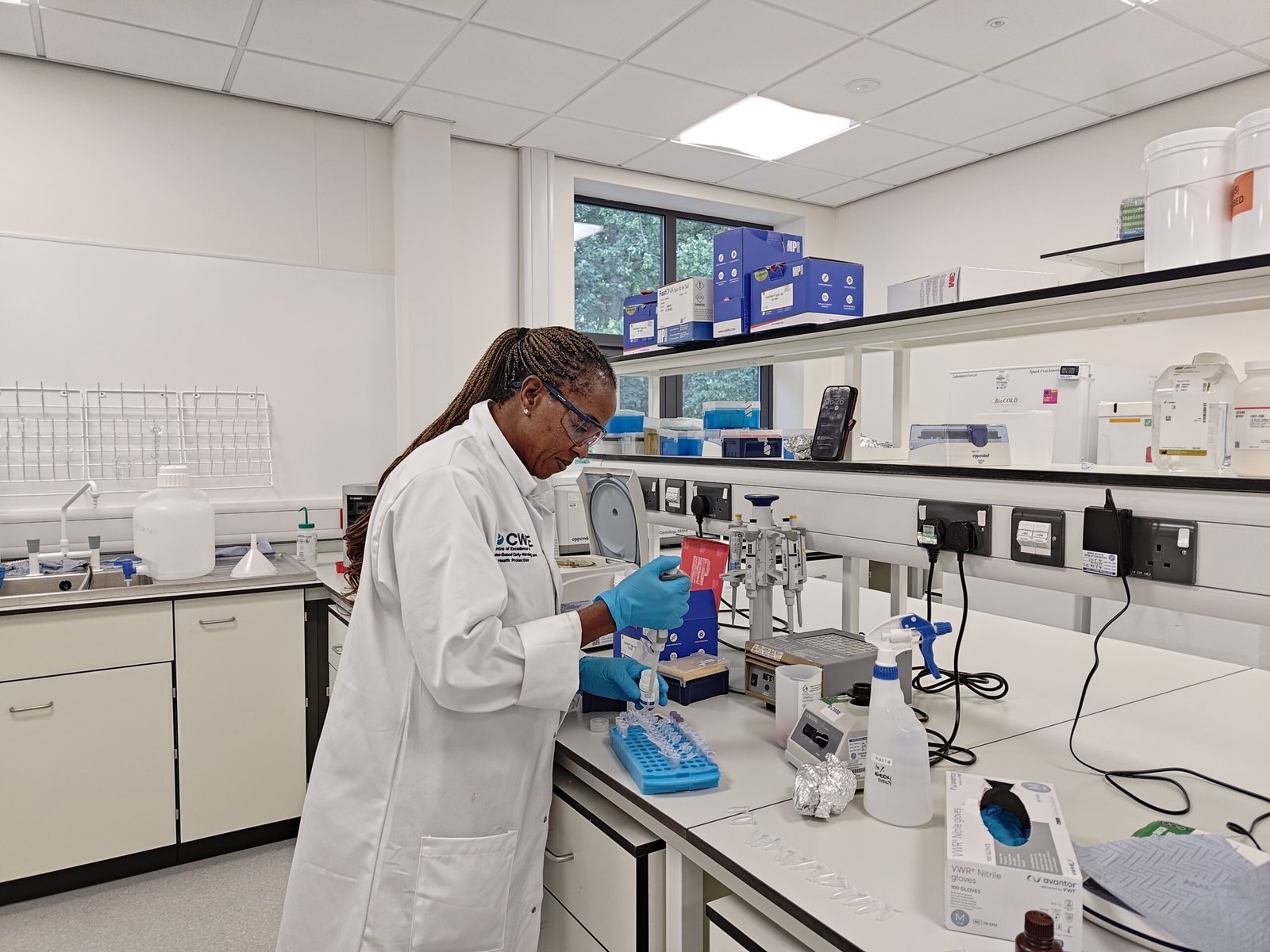
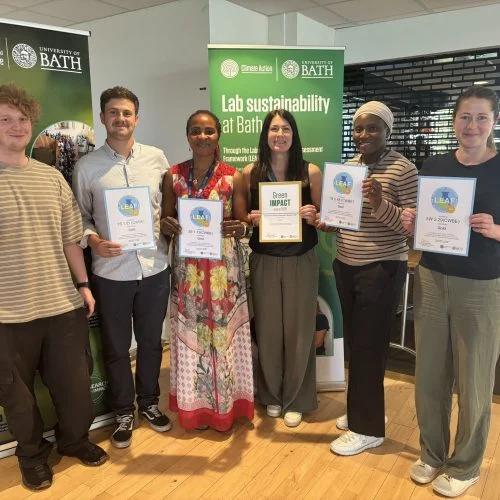
Sustainability is becoming an essential part of modern research, and the University of Bath's Centre of Excellence in Water-Based Early-Warning Systems for Health Protection (CWBE) is leading by example. Following the achievement of Gold LEAF (Laboratory Efficiency Assessment Framework) accreditation across all laboratory spaces in Chemistry and Life Science, the Centre has continued to build on its sustainability ambitions through the University's Green Impact programme, as well as LabCycle's laboratory plastic recycling scheme, helping reduce plastic waste and move towards a more circular approach to laboratory operations.
We spoke to Dr Bibian Okokhere-Edeghoghon about the team's journey, the challenges of driving change, and what's next for sustainability at CWBE.
Key takeaways
Dr Okokhere-Edeghoghon emphasises that high-quality scientific research and environmental responsibility can go hand in hand. The team achieved its Gold accreditation through collective effort rather than individual initiative.
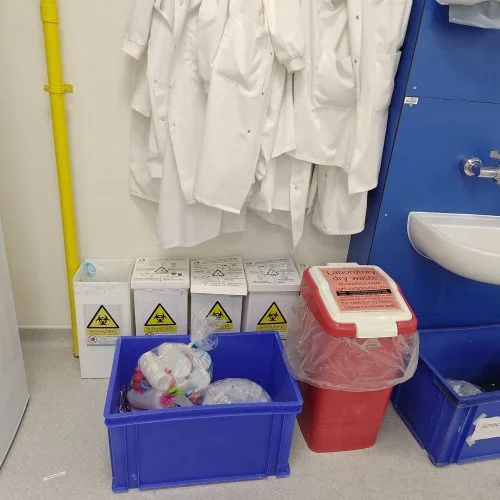
A pivotal realisation emerged when the laboratory began examining its waste streams. The team discovered substantial quantities of plastic being discarded that could have been recycled, creating motivation for improvement.
Implementing the recycling programme required addressing ingrained behaviours in busy lab settings. The solution involved clear communication, training sessions, and accessible collection points to normalise the new practices.
The cultural shift has been remarkable. Staff now routinely discuss whether items can be reused or sourced sustainably, with individuals volunteering improvement ideas.
Dr Okokhere-Edeghoghon challenges a common misconception: sustainability isn't something separate from research activities, it's something that can be integrated into daily work. She advocates for small, practical actions rather than requiring major investments or operational overhauls.
Moving forward, the team plans to explore recycled-content laboratory products while maintaining performance standards, strengthen circular economy approaches, and develop more sustainable procurement strategies.